Nutri Derma Guard Skin Tag Remover Ingredients Investigated: 2026 Analysis Examines Formulation And Consumer Disclosures

Independent investigation examines castor oil, tea tree oil, and salicylic acid formulation claims in the topical skin tag solution now available direct-to-consumer nationwide
LARGO, FL, Jan. 10, 2026 (GLOBE NEWSWIRE) — Disclaimer: This article is for informational purposes only and does not constitute medical or dermatological advice. This is not a product review, endorsement, or recommendation. Topical skincare products are not substitutes for professional medical evaluation. Always consult a qualified healthcare professional or dermatologist before using any skin treatment product. Affiliate Disclosure: This article contains affiliate links. If you purchase through these links, a commission may be earned at no additional cost to you. This compensation does not influence the accuracy or integrity of the information presented.
As direct-to-consumer skincare solutions continue expanding across the personal care marketplace, independent consumer research has turned its attention toward topical formulations marketed for skin tag concerns. Among products generating consumer interest, NutriDerma Guard Skin Tag Remover has emerged as a subject of ingredient-level analysis, prompting examination of its formulation disclosures and the broader scientific context surrounding its active compounds.
This consumer-focused analysis investigates the published ingredient profile of NutriDerma Guard, examines available research on individual components at the ingredient level, and provides educational context for individuals evaluating at-home topical options. The examination draws exclusively from publicly available formulation disclosures, peer-reviewed ingredient research, and the company’s own published materials. This analysis does not evaluate product efficacy or make outcome predictions.
For broader category context on how consumers research at-home topical options versus clinical removal methods, readers can reference a January 2026 consumer report.
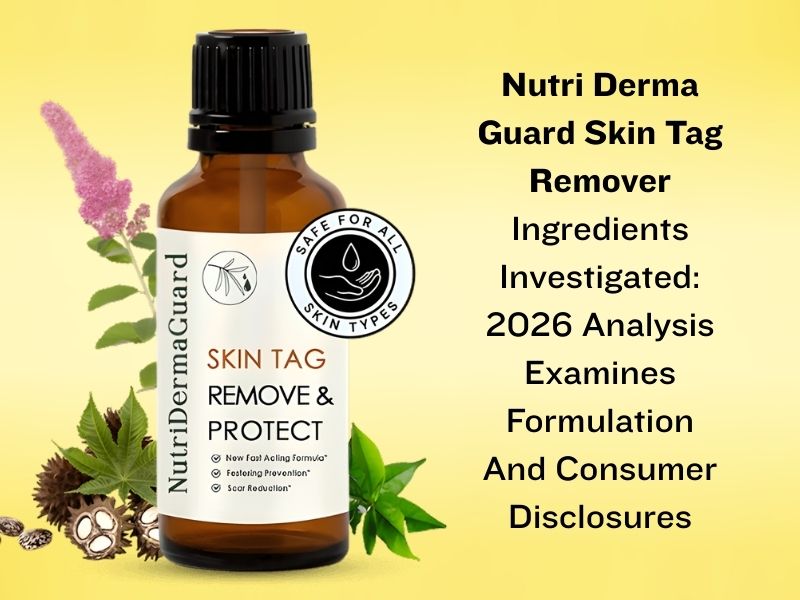
Individuals seeking to review the company’s published ingredient disclosures, directions, and policy information may visit the official NutriDerma Guard website directly.
Understanding the Consumer Interest in Topical Skin Tag Solutions
Skin tags, medically known as acrochordons, represent one of the most common benign skin growths affecting adults. According to dermatological literature, these small, soft, flesh-colored growths typically appear in areas where skin experiences friction, including the neck, underarms, eyelids, and beneath the breasts or along the groin area.
While skin tags pose no medical danger in the vast majority of cases, consumer interest in removal options has grown substantially. This interest stems from several factors that dermatological research has documented.
Cosmetic Concerns and Self-Consciousness
Many individuals report that visible skin tags, particularly those on the neck or face, create self-consciousness about their appearance. The visibility of these growths in areas that are difficult to conceal drives significant consumer interest in removal options.
Physical Irritation and Discomfort
Skin tags located in friction zones often catch on clothing, jewelry, or seatbelts. This repeated irritation can cause discomfort and, in some cases, may lead to inflammation or minor bleeding when tags are inadvertently pulled or twisted.
Multiplication Over Time
Dermatological observations suggest that skin tags tend to increase in number as individuals age, particularly after age 40. This progressive multiplication motivates many consumers to seek intervention options.
Cost Considerations for Clinical Removal
Professional dermatological removal, while effective, involves office visit costs, potential insurance complications, and the need for multiple appointments when numerous tags require attention. These financial considerations have contributed to consumer interest in at-home alternatives.
NutriDerma Guard: Examining the Published Formulation
According to the product’s official labeling and website disclosures, NutriDerma Guard Skin Tag Remover contains the following ingredients:
Ingredients as Listed:
- Alcohol Denat.
- Ricinus Communis (Castor) Seed Oil
- Melaleuca Alternifolia (Tea Tree) Leaf Oil
- Salicylic Acid
The formulation is manufactured in the United States under Good Manufacturing Practice (GMP) standards, according to company disclosures. The product is marketed as cruelty-free and is distributed from Largo, Florida.
This ingredient profile represents a combination of botanical extracts and an established keratolytic compound. The following sections examine each component individually, drawing from peer-reviewed research on ingredient-level properties.
Critical Clarification: This is ingredient-level research only. NutriDerma Guard as a finished commercial product has not been independently clinically studied in published peer-reviewed trials. Ingredient-level findings in isolation do not predict or guarantee outcomes from finished formulations containing those ingredients.
Ingredient Analysis: Castor Oil (Ricinus Communis Seed Oil)
Castor oil, derived from the seeds of the Ricinus communis plant, has a documented history of use in traditional medicine and modern cosmetic formulations spanning centuries. The oil contains a unique fatty acid composition, with ricinoleic acid comprising approximately 85 to 95 percent of its fatty acid content.
Research Context on Ricinoleic Acid
Ricinoleic acid has been studied in other contexts for various properties relevant to skincare applications. According to research published in the International Journal of Toxicology, castor oil demonstrates humectant properties, meaning it may help maintain moisture balance in skin tissue. The compound’s molecular structure allows it to penetrate the stratum corneum, which is the outermost layer of skin.
Traditional and Folk Medicine Applications
Traditional medicine systems have long employed castor oil for various skin-related applications. Folk remedies have specifically referenced castor oil in the context of skin growths, though it is essential to distinguish between traditional use and clinically validated efficacy. Traditional associations do not constitute clinical evidence.
Theoretical Mechanisms
Some practitioners and traditional medicine sources suggest theoretical mechanisms by which castor oil may interact with skin tissue over time with consistent application. However, these theoretical mechanisms have not been validated through controlled clinical trials specifically examining skin tag applications.
Safety Profile
The Cosmetic Ingredient Review Expert Panel has assessed castor oil as safe for use in cosmetic products at currently used concentrations. The oil is generally well-tolerated, though individuals with sensitivities to any plant-derived ingredient should exercise appropriate caution.
Ingredient Analysis: Tea Tree Oil (Melaleuca Alternifolia Leaf Oil)
Tea tree oil, extracted from the leaves of the Australian Melaleuca alternifolia plant, represents one of the most extensively researched essential oils in dermatological literature. Its inclusion in topical skin formulations has grown substantially over the past several decades.
Research on Antimicrobial Properties
Published research, including studies in the Journal of Antimicrobial Chemotherapy and Clinical Microbiology Reviews, has documented tea tree oil’s antimicrobial properties against various bacterial, fungal, and viral pathogens in laboratory settings. These properties derive primarily from terpinen-4-ol and other terpene compounds present in the oil.
Dermatological Applications Studied
Clinical studies have examined tea tree oil’s application in various skin conditions. Research published in the Australasian Journal of Dermatology and other peer-reviewed publications has explored its use in acne management, fungal skin infections, and wound healing support. These studies examined tea tree oil in specific contexts that may or may not translate to other applications.
Relevance to Skin Tag Formulations
For skin tag applications specifically, tea tree oil’s proposed mechanism relates to its astringent and drying properties. According to formulation theory, these properties may contribute to interactions with skin tissue over time with consistent application. The oil’s ability to penetrate skin layers may support delivery of its active compounds to targeted areas. However, this theoretical framework has not been validated specifically for skin tag applications.
Concentration and Safety Considerations
Tea tree oil concentrations in topical products typically range from 5 percent to 100 percent, depending on the intended application. Higher concentrations may increase the risk of skin irritation or sensitization. The product’s labeling includes appropriate cautions regarding potential irritation and recommends discontinuation if adverse reactions occur.
Ingredient Analysis: Salicylic Acid
Salicylic acid represents the most pharmacologically established compound in the NutriDerma Guard formulation. This beta-hydroxy acid, commonly referred to as BHA, has extensive documentation in dermatological literature.
FDA Recognition Context
Salicylic acid is recognized by the U.S. Food and Drug Administration for certain over-the-counter uses, such as wart treatment, at defined concentrations. This regulatory status does not indicate FDA approval for skin tag removal specifically, nor does it evaluate finished commercial formulations.
Mechanism of Action
Salicylic acid works through a well-documented mechanism: it disrupts the intercellular bonds between keratinocytes, which are skin cells, promoting the shedding of thickened or abnormal skin tissue. This keratolytic action, meaning skin-softening and cell-shedding, is dose-dependent, with higher concentrations producing more pronounced effects.
According to dermatological texts, salicylic acid’s lipophilic nature, meaning it is fat-soluble, allows it to penetrate the stratum corneum effectively, reaching deeper skin layers where it can exert its exfoliating effects.
Application Context Limitations
While salicylic acid has established uses in certain dermatological applications, its effectiveness and appropriate use vary by application context. Consumers should understand the distinction between FDA-recognized uses and marketing claims made by individual product manufacturers.
Ingredient Analysis: Alcohol Denat. (Denatured Alcohol)
Denatured alcohol serves multiple functions in topical formulations. In the context of skin products, its inclusion serves both practical and functional purposes.
Functions in Topical Formulations
According to cosmetic chemistry references, denatured alcohol in skincare products typically serves as a solvent, helping dissolve and distribute other active ingredients. It also functions as a penetration enhancer, facilitating absorption of active compounds. Additionally, it acts as an astringent, contributing to drying effects on skin tissue, and as a preservative aid, supporting product stability and shelf life.
Considerations for Sensitive Skin
Alcohol-containing products may cause drying or irritation in some individuals, particularly those with sensitive skin. The product’s labeling appropriately notes that users should discontinue use if excessive redness, burning, itching, or irritation develops.
Application Information: Company Labeling Disclosure
According to the product’s labeling, the company outlines a topical application process intended for intact external skin only. Consumers are instructed to follow all on-package directions and warnings provided by the manufacturer.
The labeling specifies that the product is for external use only and should not contact eyes, mouth, ears, or any open or injured skin areas.
Safety Warnings from Labeling
The product labeling includes several important safety disclosures. The product is for external use only. Users should avoid contact with eyes, mouth, ears, and open skin. The labeling advises users to discontinue use if irritation or rash occurs and to seek medical attention. The product should be kept out of reach of children. If swallowed, users should get medical help or contact a Poison Control Center immediately. The labeling also recommends asking a doctor before use if pregnant, breastfeeding, or if there are known allergies to any of the listed ingredients.
Timeline and Outcome Expectations: What the Company Does Not Guarantee
The company does not publish guaranteed timelines or outcomes. Individual response varies widely based on skin type, growth characteristics, application consistency, and other personal factors.
Consumers considering any topical skincare product should understand that individual experiences vary significantly from person to person. No specific timeline can be guaranteed for any individual, and results depend on numerous factors outside the product formulation itself. Some individuals may not experience their desired outcome.
This variability applies to all topical skincare products, not just NutriDerma Guard specifically.
Who May Consider Topical Skin Tag Solutions: A Self-Assessment Framework
Rather than relying on individual testimonials, which represent self-selected experiences that may not be typical, this analysis provides a framework for readers to assess whether topical skin tag solutions may align with their situation.
Topical At-Home Solutions May Align Well With Individuals Who:
Prefer Non-Invasive Approaches
Some individuals prefer to avoid clinical procedures involving cutting, freezing, or burning of skin tissue. For those who prioritize gradual, non-invasive methods, topical formulations represent an alternative approach. This preference should be balanced against the understanding that clinical methods typically produce faster, more predictable results.
Have Multiple Small to Medium Growths
The economics of professional removal become more significant when numerous growths require attention. Individuals with multiple growths may find topical options financially practical for addressing concerns across various body areas over time.
Are Comfortable With Non-Immediate Cosmetic Approaches
Topical approaches, by their nature, differ from clinical removal methods. Individuals who are comfortable with non-immediate cosmetic approaches that may require ongoing evaluation and consistency may be better suited to this category of products.
Have Previously Used OTC Skincare Products Successfully
Individuals with experience using over-the-counter skincare products containing active ingredients like salicylic acid, and who have tolerated such products without adverse reactions, may be better positioned to assess their likely response to similar formulations.
Clinical Consultation May Be Preferable For Individuals Who:
Have Growths in Sensitive Areas
Skin tags near the eyes, on the eyelids, or in other sensitive areas warrant professional evaluation. The product’s labeling specifically cautions against application near eyes and mucous membranes.
Notice Changes in Existing Growths
Any skin growth that changes in color, size, or shape, or that begins bleeding without obvious cause, should be evaluated by a healthcare professional. While skin tags are typically benign, professional assessment can rule out other conditions.
Have Underlying Health Conditions
Individuals with diabetes, circulation concerns, or compromised immune function should consult healthcare providers before using topical skin products. The product’s labeling recommends asking a doctor if pregnant, breastfeeding, or if there are known allergies to ingredients.
Prefer Immediate or Predictable Results
Those who desire immediate removal rather than gradual approaches may be better served by clinical options. Topical approaches are not designed for immediate or predictable outcomes.
Questions to Consider Before Choosing Any Skin Tag Approach:
Have I had these growths evaluated by a healthcare professional to confirm they are indeed skin tags? Am I comfortable with an approach that requires daily consistency and ongoing evaluation? Do I have a history of skin sensitivity or allergic reactions to topical products? Are the growths located in areas safe for at-home topical application? What is my budget consideration for addressing current and potentially future concerns?
These self-assessment questions help determine which approach, whether topical, clinical, or a combination, may best suit individual circumstances.
Understanding the Broader Category: Topical Approaches to Skin Concerns
NutriDerma Guard operates within a broader category of topical formulations designed for at-home use. Understanding this category provides context for evaluating any individual product.
Readers encountering search terms such as “best skin tag remover” as part of consumer research behavior, rather than as a verified ranking, may find additional educational context in this separate analysis.
The Keratolytic Approach
Most topical products in this category employ some form of keratolytic strategy, using compounds that promote controlled breakdown and shedding of excess skin tissue. Salicylic acid represents the most common and best-documented keratolytic agent in these applications.
Botanical Adjuvants
Many formulations, including NutriDerma Guard, combine keratolytic compounds with botanical ingredients associated with skin health in traditional or folk medicine contexts. These may include oils with traditional associations, astringent compounds, or ingredients with documented antimicrobial properties.
Mechanism Limitations
It is important to understand that topical approaches work differently from clinical removal methods. Clinical methods physically remove tissue in a single session. Topical approaches are marketed as gradual, surface-level options intended for cosmetic skin care use, rather than immediate clinical removal.
This fundamental difference explains the timeline differences between approaches and sets appropriate expectations for what topical products can and cannot accomplish.
Manufacturing and Quality Disclosures
According to the company’s published materials, NutriDerma Guard is manufactured in the United States and produced under Good Manufacturing Practice standards. The product is marketed as cruelty-free, meaning it is not tested on animals. According to product labeling, the formulation is free from parabens, artificial fragrances, and dyes.
The company is based in Largo, Florida, and maintains customer support through published contact channels.
Contact Information
According to the company’s official website, customer support is available through the following channels:
Phone: (844) 320-0202
Email: support@nutridermaguard.com
Hours: Monday through Friday, 9am to 6pm EST
These contact channels are published for individuals with questions about the product, ordering, or company policies.
Pricing and Availability
NutriDerma Guard Skin Tag Remover is sold directly to consumers through the brand’s official website. Pricing, shipping terms, and promotional availability may change over time and should be confirmed directly with the company prior to purchase.
Guarantee and Return Policy
The company publishes a satisfaction guarantee policy on its website. Specific eligibility requirements and return conditions may apply and should be reviewed directly through the official policy documentation, as terms are subject to change.
Prospective purchasers should verify current guarantee terms on the official website before ordering.
Summary of Publicly Available Information
This analysis has examined NutriDerma Guard Skin Tag Remover through the lens of published ingredient research, company disclosures, and general dermatological context. The following observations emerge from this examination.
What Is Disclosed:
Ingredient Profile
The formulation combines ingredients with documented individual properties in peer-reviewed literature. Salicylic acid has regulatory recognition for certain applications, while the botanical components have traditional associations with skin health.
Manufacturing Standards
GMP manufacturing and U.S.-based production represent quality considerations that the company discloses in its marketing materials.
Contact and Support Channels
The company publishes customer service contact information and maintains stated support hours.
What Is Not Independently Verified:
Finished Product Efficacy
NutriDerma Guard as a finished commercial product has not been the subject of published peer-reviewed clinical trials. Available evidence relates to individual ingredients studied in various contexts rather than the specific combined formulation.
Timeline Predictability
No verified data exists to predict individual timelines or outcomes. The company does not publish guaranteed timelines.
Comparative Effectiveness
No independent data compares this product’s effectiveness to other products or clinical approaches.
What Consumers Should Verify Independently:
Consumers should verify current pricing, shipping, and availability directly with the company. They should also confirm current guarantee terms and conditions, check ingredient compatibility with any known sensitivities or allergies, and assess appropriateness for their specific situation by consulting a healthcare professional.
Important Final Note:
Any skin growth that changes in appearance, bleeds without cause, or causes concern should be evaluated by a qualified healthcare professional. While skin tags are typically benign, professional assessment ensures accurate identification and appropriate care. This analysis is not a substitute for professional medical evaluation.
Disclaimers
Editorial Disclaimer
This article is for informational and educational purposes only and does not constitute medical, dermatological, or professional healthcare advice. This is not a product review, endorsement, or recommendation. The information provided reflects publicly available details from the company’s website, product labeling, and peer-reviewed research on individual ingredients. Always consult a qualified healthcare professional or dermatologist before using any skin treatment product or making decisions about skin care.
Professional Medical Disclaimer
Skin tags and other skin growths should be evaluated by a healthcare professional for accurate identification. While skin tags are typically benign, only a licensed clinician can provide definitive diagnosis. Do not use any topical product as a substitute for professional medical evaluation, particularly for growths that change in appearance, bleed, or cause concern.
Individual Results Disclaimer
Individual results will vary based on factors including growth size and characteristics, skin type, application consistency, and individual physiological response. The descriptions of ingredient properties reflect general research findings and do not predict or guarantee outcomes. Results are not guaranteed and may not occur for all users.
Ingredient Research Clarification
Research cited in this article pertains to individual ingredients studied in various contexts. NutriDerma Guard as a finished commercial product has not been the subject of independent published clinical trials. Ingredient-level findings do not guarantee equivalent results from products containing those ingredients.
FTC Affiliate Disclosure
This article contains affiliate links. If you purchase through these links, a commission may be earned at no additional cost to you. This compensation does not influence the accuracy, neutrality, or integrity of the information presented. All descriptions are based on published research, company disclosures, and publicly available information.
Pricing Disclaimer
Pricing, promotional offers, and availability are subject to change without notice. Always verify current pricing and terms on the official NutriDerma Guard website before making any purchase decision.
Guarantee Terms Disclaimer
Guarantee and refund policies described in this article reflect general company disclosures. Specific terms, conditions, timeframes, and any exceptions should be verified directly with NutriDerma Guard customer service or on the official website, as policies may be updated.
Publisher Responsibility Disclaimer
The publisher of this article has made every effort to ensure accuracy at the time of publication based on publicly available information. We do not accept responsibility for errors, omissions, or outcomes resulting from the use of the information provided. Readers are encouraged to verify all details directly with NutriDerma Guard and their healthcare provider before making decisions.
Contact:
For general product information and customer support:
NutriDerma Guard Customer Service
Phone: (844) 320-0202
Email: support@nutridermaguard.com
Hours: Monday through Friday, 9am to 6pm EST
CONTACT: Phone: (844) 320-0202
Email: support@nutridermaguard.com
Hours: Monday through Friday, 9am to 6pm EST